Creativity has long been considered a uniquely human domain—the ability to generate novel ideas, make unexpected connections, and produce work that resonates emotionally. But in recent years, artificial intelligence has begun to reshape our understanding of creative processes and possibilities. Far from replacing human creativity, AI is emerging as a powerful collaborator that can enhance, amplify, and inspire the creative work of designers, writers, musicians, marketers, and artists across disciplines.
In this article, we'll explore the most innovative AI tools for creative professionals, examining how they're transforming workflows and opening new frontiers of creative expression. From generating initial concepts to refining final outputs, these tools are becoming essential partners in the creative process.
The Creative AI Revolution
Before diving into specific tools, it's important to understand how AI is fundamentally changing creative work:
From Assistive to Collaborative
Early creative software focused on executing a creator's vision more efficiently. Modern AI tools actively participate in the creative process, suggesting ideas, exploring variations, and sometimes producing unexpected outcomes that spark new directions.
Democratizing Creative Skills
Advanced creative capabilities that once required years of specialized training are becoming accessible to broader audiences through AI tools, enabling more people to express their ideas visually, musically, or textually.
Expanding Creative Possibilities
AI can explore vast possibility spaces beyond what humans might consider, suggesting unconventional combinations and approaches that might never have been considered otherwise.
Accelerating Iteration
The creative process often involves numerous iterations and refinements. AI dramatically speeds this cycle, allowing creators to explore more variations and refine ideas more quickly.
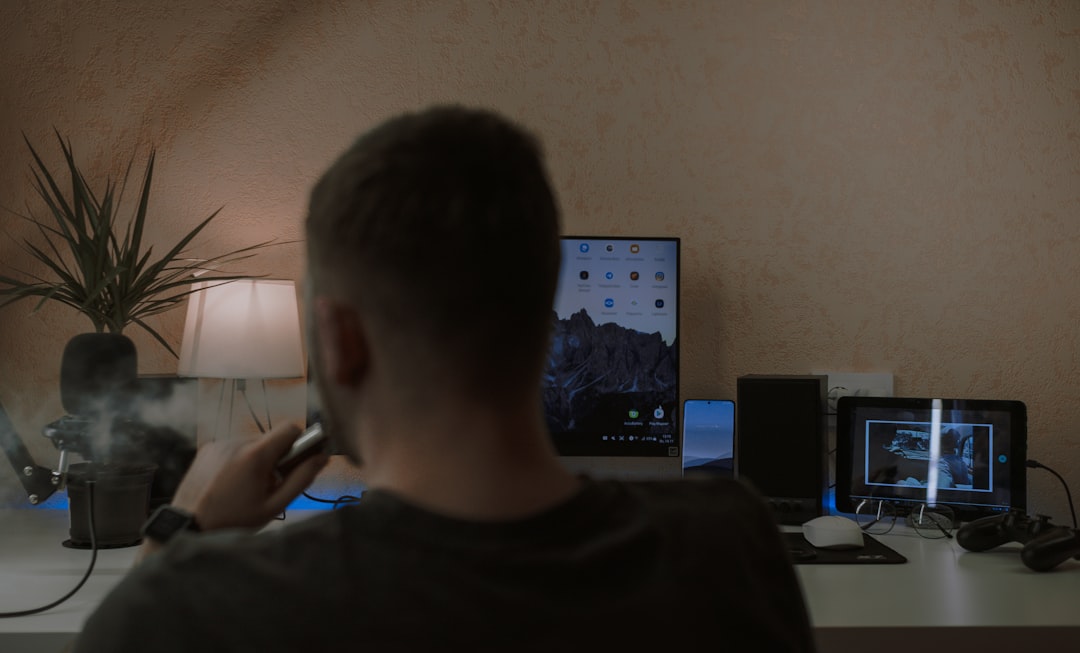
Creative professionals are increasingly incorporating AI tools into their design workflows
AI Tools for Visual Creativity
Visual design has been dramatically transformed by AI, with tools that can generate, edit, and enhance images in ways previously unimaginable:
1. Midjourney
What it does: Midjourney generates highly detailed, artistic images from text descriptions. Its latest version (V6) produces remarkably realistic or stylized visuals with impressive composition and detail, making it valuable for concept artists, illustrators, and designers seeking visual inspiration.
Creative applications:
- Generating concept art and mood boards
- Visualizing environments and characters for film, gaming, or illustration
- Creating custom imagery for marketing campaigns
- Exploring visual styles and compositions rapidly
Pricing: $10/month for Basic plan; $30/month for Standard plan; $60/month for Pro plan
2. Adobe Firefly
What it does: Adobe's generative AI suite focuses on commercial-safe content generation that integrates with the Creative Cloud ecosystem. Firefly includes tools for text-to-image generation, image editing, vector conversion, and generative fill that seamlessly work within familiar Adobe applications.
Creative applications:
- Generating commercially safe imagery for client work
- Rapid prototyping of design concepts
- Removing or adding elements to existing images
- Converting rough sketches to polished vector graphics
Pricing: Included with Adobe Creative Cloud subscriptions starting at $19.99/month; standalone access from $4.99/month
3. Runway Gen-2
What it does: Runway specializes in video generation and editing with AI. Its tools allow creators to generate video from text descriptions, extend existing footage, change visual styles of videos, and remove objects from moving images.
Creative applications:
- Creating concept videos and animations
- Generating b-roll and transition footage
- Applying consistent visual styles across video projects
- Editing out unwanted elements from video footage
Pricing: Free plan available; Pro plan at $15/month; Unlimited plan at $35/month
— Scott Belsky, Chief Product Officer, Adobe"AI isn't replacing creativity—it's expanding what's possible. The most exciting creative work happens at the intersection of human intuition and AI capabilities."
AI Tools for Audio and Music Creation
Musicians, sound designers, and producers are discovering powerful new AI collaborators:
1. AIVA
What it does: AIVA (Artificial Intelligence Virtual Artist) composes original music across various genres. Users can specify mood, style, length, and instrumentation, and the AI generates full compositions that can be used in films, games, presentations, or as starting points for further development.
Creative applications:
- Creating custom soundtracks for videos and presentations
- Generating background music for games or apps
- Exploring musical ideas for songwriters
- Producing royalty-free music for content creators
Pricing: Free plan available; Creator plan at $19/month; Pro plan at $49/month
2. Soundraw
What it does: Soundraw specializes in AI-generated music with detailed controls for mood, genre, instruments, tempo, and track length. Its interface allows for detailed adjustments to arrangements, making it particularly suitable for creating custom tracks that match specific creative needs.
Creative applications:
- Producing customized music for video content
- Creating adaptive music for interactive media
- Generating backing tracks for singers or songwriters
- Producing marketing content with perfect mood matching
Pricing: $16.99/month for Individual plan; $29.99/month for Commercial plan
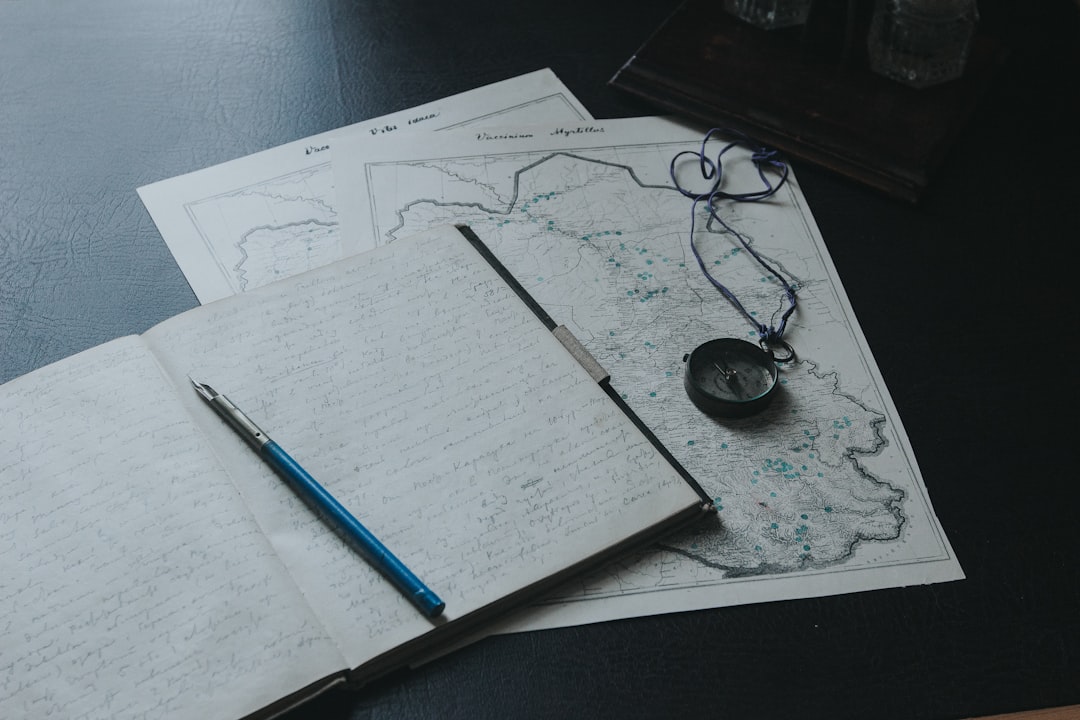
AI music tools are transforming composition workflows for creators across genres
AI Tools for Writing and Content Creation
Writers, marketers, and content creators have access to increasingly sophisticated AI writing tools:
1. ChatGPT (with DALL-E integration)
What it does: Beyond text generation, ChatGPT now offers multimodal capabilities, combining text generation with image creation. This allows for brainstorming that seamlessly moves between written concepts and visual explorations, making it valuable for conceptual development.
Creative applications:
- Developing story concepts with accompanying visuals
- Creating marketing campaign concepts that include both copy and imagery
- Exploring different approaches to creative briefs
- Generating presentation content with supporting visuals
Pricing: Free plan available; ChatGPT Plus at $20/month; Team and enterprise options available
2. Copy.ai
What it does: Copy.ai specializes in marketing-focused content creation with templates for various formats (social media, emails, ads, product descriptions). It excels at generating multiple variations of copy in specific brand voices.
Creative applications:
- Drafting marketing copy in consistent brand voice
- Creating variations of headlines and calls-to-action for testing
- Generating product descriptions at scale
- Developing engaging social media content calendars
Pricing: Free plan available; Pro plan at $49/month; Team plan at $249/month
AI Tools for 3D Design and Modeling
3D designers and architects now have AI assistants that can dramatically accelerate modeling and visualization:
1. Spline.design AI
What it does: Spline combines a browser-based 3D design tool with AI capabilities for generating and manipulating 3D objects from text prompts. It allows designers to create interactive 3D experiences without extensive technical knowledge.
Creative applications:
- Creating 3D product visualizations
- Developing interactive web experiences
- Prototyping user interfaces in three dimensions
- Generating 3D assets for marketing or presentations
Pricing: Free plan available; Pro plan at $20/month; Team plan at $40/user/month
2. Meshy
What it does: Meshy specializes in generating 3D models from text descriptions or reference images. It can create detailed models with textures that can be exported to standard formats for further refinement in traditional 3D software.
Creative applications:
- Rapidly prototyping 3D concepts
- Creating base models to refine in other 3D applications
- Generating environmental elements for virtual worlds
- Developing custom assets for games or AR/VR experiences
Pricing: Free plan available; Premium at $20/month; Pro at $40/month
Cross-Discipline Creative AI Tools
Some AI tools transcend traditional creative categories, offering capabilities that span multiple domains:
1. Leonardo.ai
What it does: Leonardo.ai provides a comprehensive platform for visual creation, including image generation, 3D texturing, and asset creation specifically optimized for game development and digital entertainment.
Creative applications:
- Generating game assets and textures
- Creating consistent character designs across different poses and scenarios
- Developing visual style guides for projects
- Rapidly iterating on concept art
Pricing: Free plan available; Pro plan at $19/month; Enterprise options available
2. Scenario
What it does: Scenario focuses on AI-generated art with particular strengths in stylistic consistency and character design. It allows creators to define specific styles and then generate consistent assets within those parameters.
Creative applications:
- Creating consistent character designs for animation or games
- Generating environment art in unified styles
- Developing card art for games
- Producing illustration series with consistent aesthetics
Pricing: $10/month for Personal plan; $29/month for Pro plan; Team options available
Integrating AI into Creative Workflows
For creative professionals interested in incorporating AI tools into their work, consider these approaches:
AI as a Brainstorming Partner
One of the most immediate benefits of creative AI tools is their ability to generate numerous ideas and variations quickly. Use AI at the beginning of your process to explore different directions before committing to a specific approach.
AI for Overcoming Creative Blocks
When stuck on a project, AI tools can offer fresh perspectives or unexpected combinations that help break through creative roadblocks. Consider using them to suggest alternative approaches when your own thinking has reached an impasse.
AI for Technical Augmentation
Even experienced creators may have technical limitations in certain areas. AI tools can augment your capabilities in these domains—for instance, a writer using visual AI to create accompanying imagery, or a visual artist using AI music tools to add sound to their work.
AI for Rapid Prototyping
Use AI to quickly generate prototypes that can be shown to clients or stakeholders for early feedback, before investing significant time in manual development.
AI for Production Efficiency
Once creative direction is established, AI can help with production tasks like generating variations, creating assets at different sizes or formats, or adapting content for different platforms.
Ethical Considerations for Creative AI
As with any powerful technology, creative AI tools raise important ethical considerations:
Attribution and Originality
Be transparent about AI's role in your creative process, particularly for commercial work. Different tools have different terms regarding ownership and commercial rights for AI-generated content.
Training Data Concerns
Many AI models were trained on existing creative works, raising questions about influence and inspiration versus appropriation. Consider tools like Adobe Firefly that emphasize commercially safe training data for professional work.
Authenticity and Disclosure
Consider whether and how to disclose AI's involvement in your creative process, particularly when authenticity or human touch is valued by your audience.
Displacement and Value
Rather than replacing human creativity, focus on how AI can enhance your unique creative voice and help you deliver greater value through augmented capabilities.
The Future of Creative AI
Looking ahead, several emerging trends will further transform AI's role in creative work:
Personalized Creative Assistants
Future AI tools will learn your specific creative preferences and style, becoming increasingly tailored collaborators that understand your unique approach.
Multimodal Creation
The boundaries between different creative media (text, image, audio, video, 3D) will continue to blur as AI tools become more integrated, allowing seamless movement between different forms of expression.
Real-Time Collaboration
AI will increasingly function as a real-time creative partner, offering suggestions and variations as you work rather than in separate generation stages.
Deeper Control and Guidance
Creative professionals will gain more precise ways to guide and direct AI outputs, moving beyond text prompts to more sophisticated interfaces for controlling generative processes.
Conclusion
AI tools for creative professionals represent not a replacement for human creativity but an expansion of what's possible. By automating technical aspects, suggesting unexpected directions, and enabling rapid iteration, these tools free creative minds to focus on the uniquely human elements of the creative process: emotional resonance, cultural context, strategic thinking, and meaningful storytelling.
The most successful creative professionals in the AI era will be those who learn to collaborate effectively with these new tools—using them to amplify their unique creative voices rather than surrendering to them. As you explore the possibilities, focus on developing an approach that integrates AI's capabilities with your distinctive perspective and expertise.
The creative frontier has expanded dramatically, and those willing to explore this new territory thoughtfully will discover unprecedented opportunities for expression, innovation, and impact.

Emily Chen
Founder & AI Strategist with a background in machine learning and 10+ years in tech, helping bridge the gap between cutting-edge AI and practical applications.
Related Articles